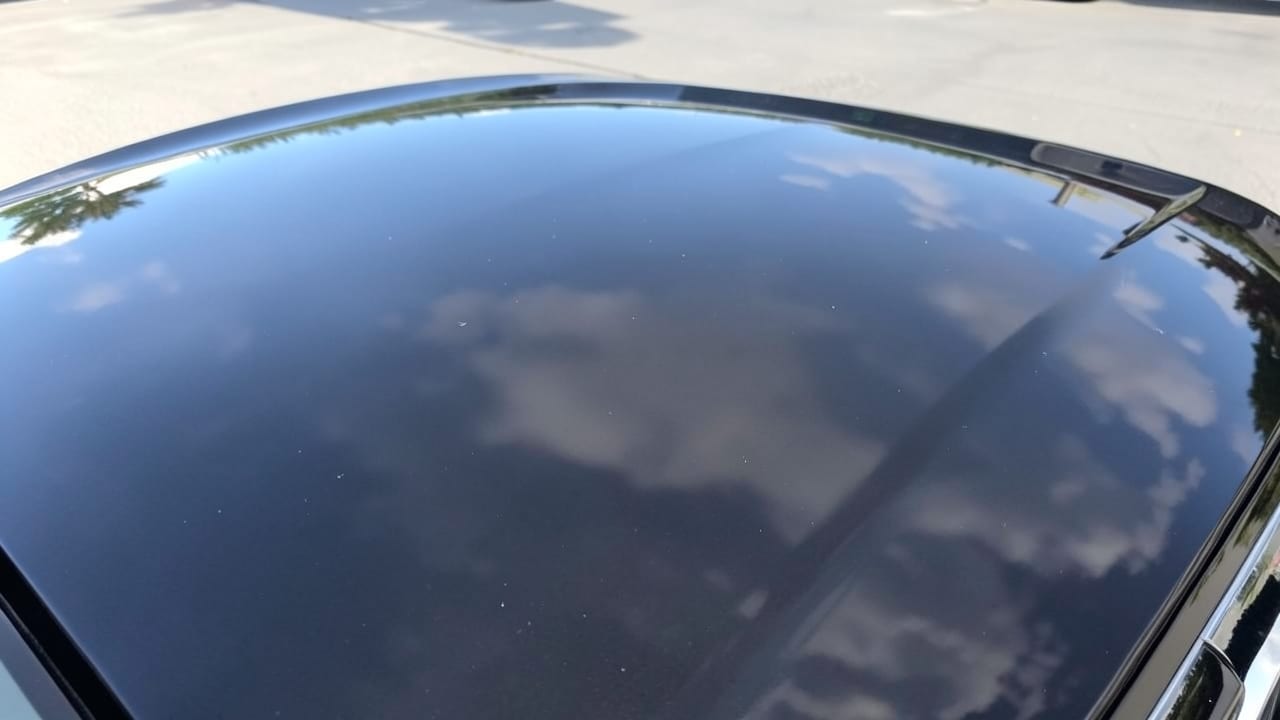
Bird Dropping Removal
Professional removal of bird droppings to prevent paint damage and maintain ceramic coatings.
Bird droppings in Apollo Beach, FL, contain acidic compounds that can etch paint and degrade ceramic coatings over time. Unlike regular car washes, specialized bird dropping removal requires precise chemical treatments and mechanical techniques to neutralize residue without damaging your vehicle’s finish.
Local conditions—like nearby trees and humidity—make this service essential for protecting your car’s paintwork long-term.
We also handle Fleet & Commercial Vehicle Coating and Graphene Coating for Apollo Beach vehicles.
Why bird droppings need special care
Bird droppings aren’t just unsightly—they’re acidic and can etch paint or strip ceramic coatings if left untreated. In Apollo Beach’s humid climate, residue dries faster, embedding deeper into the paint. A standard wash won’t remove them; they require targeted chemistry to break down the bond without scratching the surface.
Unlike loose dirt, bird droppings often leave behind a faint, gritty residue that feels bumpy under your hand. If wiped too soon, they can smear across a wider area, turning a small spot into a larger problem.
The longer they sit, the harder they become to remove without damaging the finish.
Signs Your Car Needs Bird Dropping Removal
- Dark, stubborn spots that won’t wash off with soap and water, especially on light-colored paint.
- A gritty or rough texture when running your hand over the paint—indicating embedded residue.
- Faint shadows or recurring marks in the same spot after washing, suggesting leftover adhesive or tar.
- Orange or rust-colored specks concentrated near the wheels, often from brake dust mixed with bird droppings.
How local conditions affect the process
Apollo Beach’s proximity to water bodies and dense vegetation means bird droppings are more frequent and often mixed with tree sap or industrial fallout. These contaminants require different chemical treatments—what works for sap won’t dissolve bird droppings, and vice versa.
Skipping the right product can smear the contaminant further, worsening the damage.
Humidity in the area speeds up the drying process, making bird droppings harder to remove once they’ve set. That’s why prompt treatment is critical. Waiting a week can turn a simple spot into a bonded contaminant that requires more aggressive (and riskier) removal methods.
| Contaminant Type | Chemical Treatment Needed | Mechanical Step Required |
|---|---|---|
| Bird droppings | Acid-neutralizing cleaner | Clay bar or mitt for embedded residue |
| Tree sap | Tar/adhesive remover | Gentle clay bar to lift residue |
| Brake dust (iron particles) | Iron remover solution | Clay mitt with lubricant |
| Industrial fallout (rail dust) | Decontamination cleaner | Clay bar for fine particles |
What happens if you skip the follow-up
Removing bird droppings strips away some of your vehicle’s existing wax or sealant layer. Without a protective follow-up, the paint becomes more vulnerable to future contaminants.
In Apollo Beach’s environment, this means quicker buildup of new bird droppings, tar, or brake dust—all of which are harder to remove once they’ve bonded again.
A spray sealant applied after decontamination acts as a temporary barrier, making it harder for new contaminants to stick. Regular washing (every 2–4 weeks) helps catch loose debris before it becomes embedded, but the sealant is the last line of defense against recurrence.
How bird dropping removal works
- 1Contaminant Identification
The technician first inspects the affected area under direct light to identify the contaminant—bird droppings, sap, or brake dust—since each requires a specific chemical treatment. Misidentifying it can lead to smearing rather than removal.
- 2Targeted Chemical Treatment
A specialized cleaner formulated for the contaminant is applied and left to dwell (typically 60–90 seconds) to break down the bond without scrubbing, which can cause micro-scratches.
- 3Mechanical Lift (If Needed)
For embedded residue, a clay bar or mitt is used gently with a lubricant to lift what remains, ensuring no grit is dragged across the paint during the process.
- 4Rinse and Inspection
The area is rinsed thoroughly, and the surface is inspected under direct light to confirm the contaminant is fully removed—not just less visible.
- 5Protective Follow-Up
A spray sealant is applied to restore the protective layer stripped during decontamination, leaving the paint as protected as before the treatment.
Frequently asked questions
Will bird droppings damage my ceramic coating if I ignore them?
Yes. Bird droppings contain uric acid, which etches paint and coatings over time. In Apollo Beach’s humidity, they dry faster and become harder to remove, increasing the risk of permanent damage if left untreated.
Why does my car feel gritty after washing, even though the bird droppings are gone?
Gritty residue often means embedded contaminants like brake dust or industrial fallout weren’t fully removed. A standard wash won’t lift them—you’ll need a dedicated decontamination step with a clay bar to smooth the surface.
How often should I get bird dropping removal near trees or busy roads?
If your car is parked under trees or near high-traffic areas, spot-treat bird droppings within 24–48 hours of landing. For preventive maintenance, a full decontamination every 3–6 months helps maintain your paint’s protection.
Can I use an all-purpose cleaner on bird droppings?
No. All-purpose cleaners lack the acid-neutralizing properties needed for bird droppings. Using them can smear the contaminant, spreading it across a larger area and increasing the risk of paint etching.
Where Apollo Beach sits, and what the Census lists nearby
Apollo Beach sits in Florida, and the closest places listed in the U.S. Census Gazetteer are Ruskin (4 miles south), Sun City Center (4.4 miles southeast), Gibsonton (4.7 miles north), Balm (7 miles east).
Within 25 miles of Apollo Beach the same source lists 56 distinct incorporated places and census-designated places.
Those figures matter for bird dropping removal because they are straight-line distances between Census coordinate points: road mileage between Apollo Beach and Ruskin runs longer than the 4 miles shown, which is why quotes for the same job differ between towns that look close together on a map.
Source: U.S. Census Bureau Gazetteer.
See Riverview, FL for more, or discover everything Apollo Beach vehicle owners can book with us in full for our complete lineup.
Ready to get started?
Talk to a local ceramic coating pro in Apollo Beach — get a written quote.
Other Ceramic Coating Services in Apollo Beach
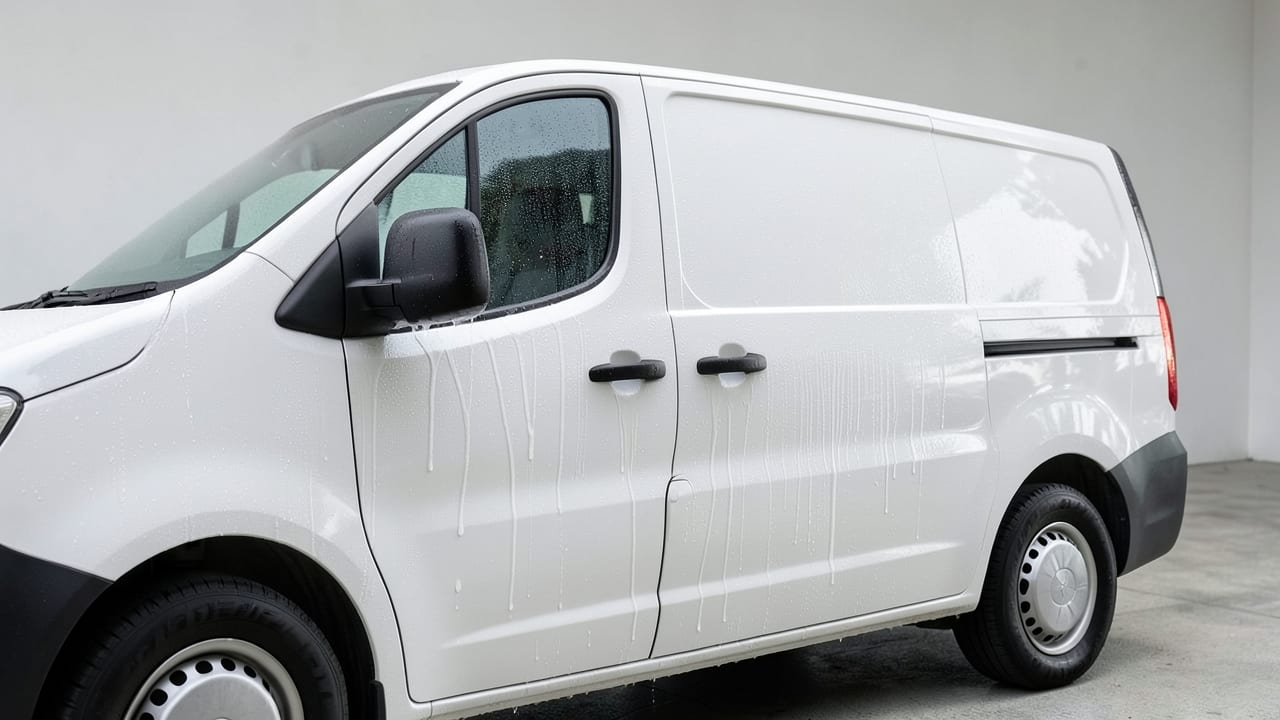
Fleet & Commercial Vehicle Coating in Apollo Beach, FL
Ceramic coating programs for fleets and commercial vehicles in Apollo Beach, FL — faster washing, longer-lasting branded wraps, and protected resale value.
Learn More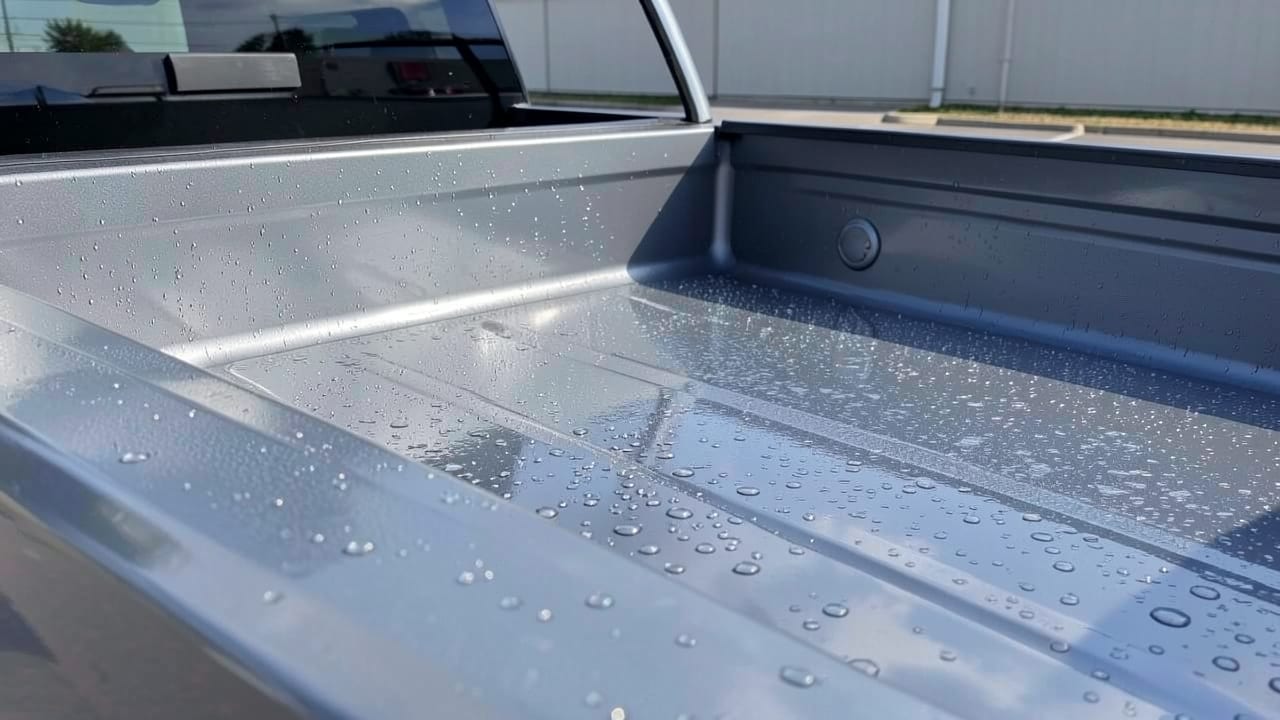
Graphene Coating in Apollo Beach, FL
Graphene coating in Apollo Beach, FL — a premium ceramic alternative with better heat rejection and hydrophobic durability.
Learn More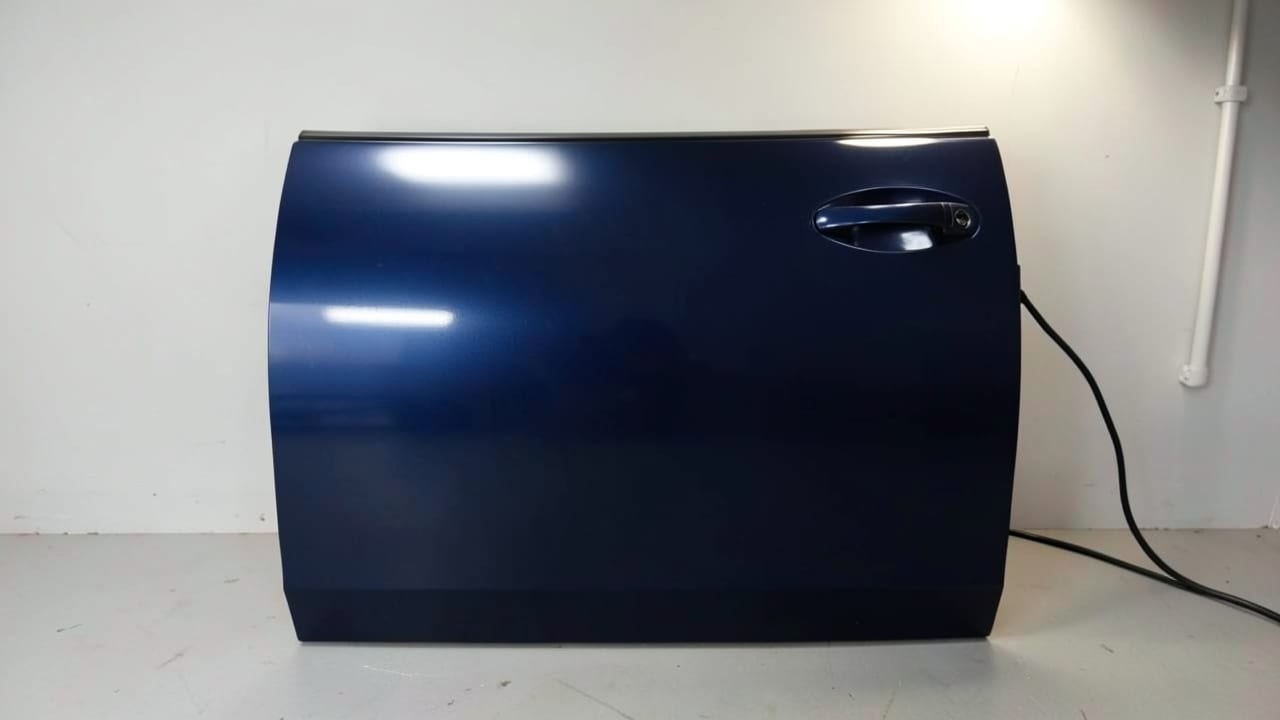
Clay Bar Paint Decontamination in Apollo Beach, FL
Clay bar paint decontamination in Apollo Beach, FL removes bonded surface contaminants a wash alone can't touch, before coating or correction.
Learn More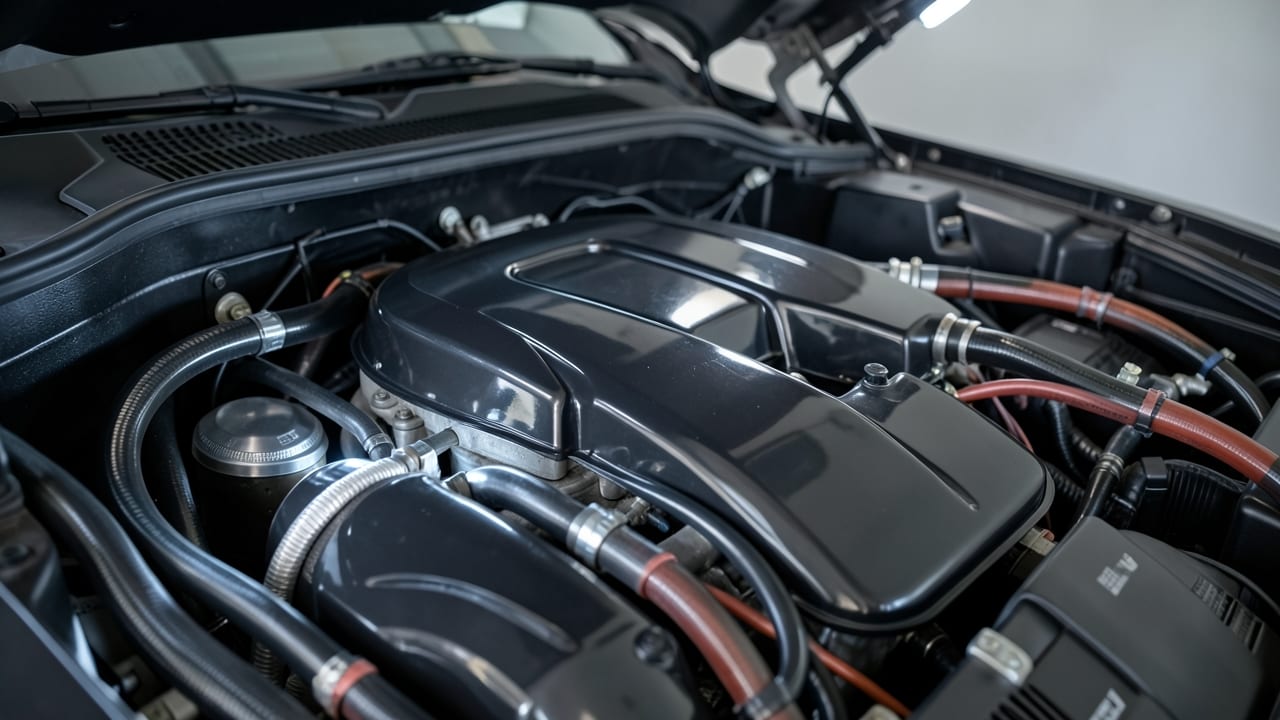
Engine Bay Detailing in Apollo Beach, FL
Engine bay detailing in Apollo Beach, FL — safe degreasing and dressing of the engine compartment without risking electrical components.
Learn More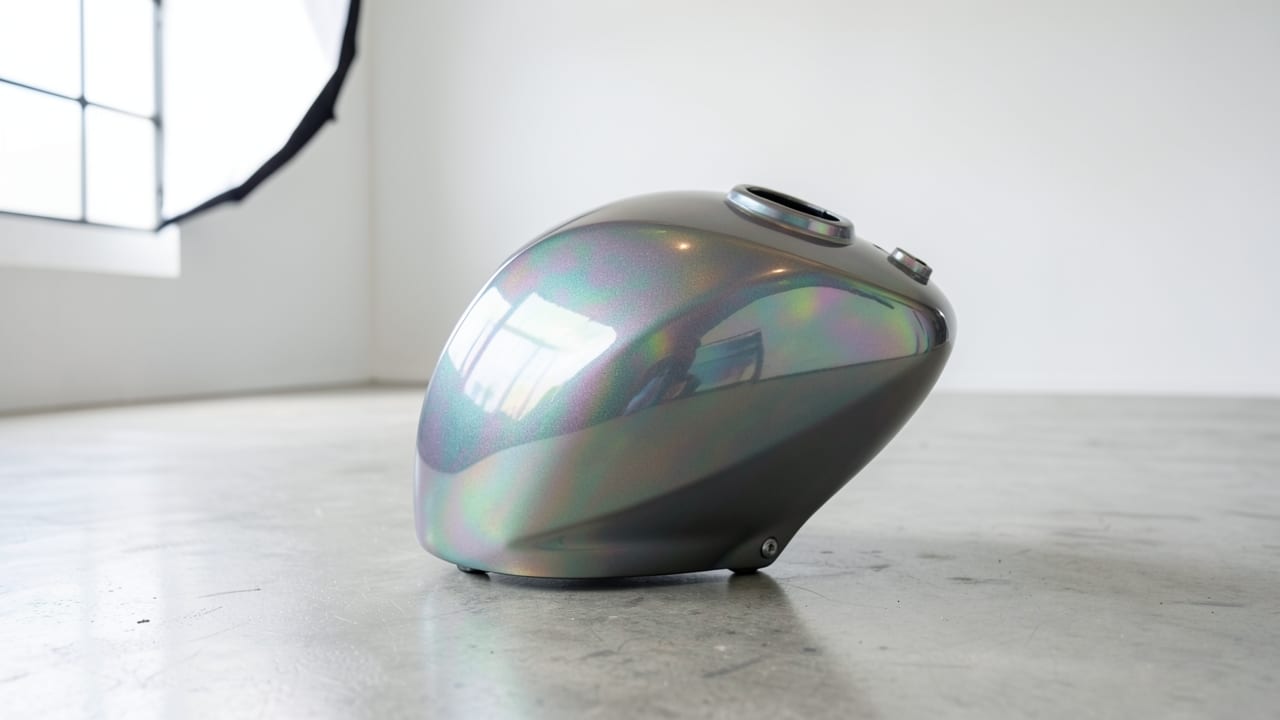
Motorcycle Ceramic Coating in Apollo Beach, FL
Professional application of ceramic coating to protect motorcycle paint and surfaces from damage.
Learn More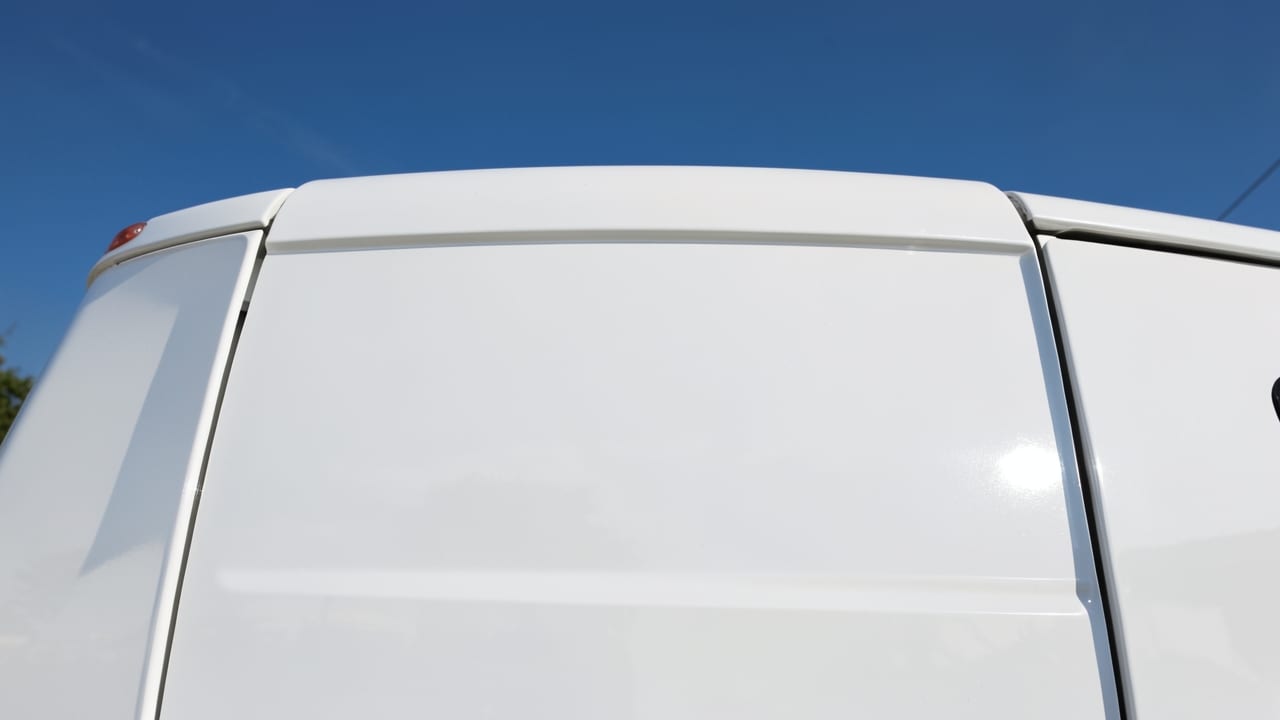
RV Paint Protection in Apollo Beach, FL
Ceramic coatings and protective sealants applied to RV exteriors to shield paint from UV, dirt, and scratches.
Learn MoreCommon Questions About Ceramic Coating in Apollo Beach
Everything you need to know about ceramic coating services in Apollo Beach
How much does Bird Dropping Removal typically cost in Apollo Beach, FL?
Does intense UV and dust in Apollo Beach, FL change coating maintenance?
Will a ceramic coating stop rock chips or scratches?
What's the actual difference between wax, paint sealant, and ceramic coating?
Can ceramic coating be applied at home instead of by a detailing shop?
How long does a ceramic coating actually last in real-world use?
Need Ceramic Coating in Apollo Beach?
Get a written quote from our Apollo Beach crew.
⏰ We answer your call • Serving all of Apollo Beach and surrounding areas